
Collections
Curated stations handpicked for every mood and moment.
Jazz Essentials
Jazz
5 stations
Synthwave: Electric Sunset
Step into a world where the 80s never ended and the future never arrived. Synthwave is the sound of neon-lit highways stretching into infinity, of rain-slicked streets reflecting pink and blue, of a tomorrow imagined through the lens of yesterday. These stations deliver pulsing basslines, shimmering arpeggios, and analog warmth that wraps around you like a leather jacket. Whether you're coding through the night, hitting the gym, or just need a soundtrack for staring out rain-streaked windows—this is your frequency.
4 stations
1950s
Something dangerous happened in the 1950s: teenagers got their own music. Rock and roll exploded out of Black rhythm and blues, white country, and gospel, creating a sound that parents feared and kids couldn't resist. Elvis Presley's hips, Chuck Berry's guitar, Little Richard's screams — this was rebellion set to a backbeat. Jukeboxes glowed in every diner, car radios blasted through drive-in parking lots, and 45 RPM singles became the currency of cool. Doo-wop harmonies floated off street corners while Buddy Holly reinvented what a song could be. The generation gap was born, and it had a soundtrack.
10 stations
1960s
No decade changed faster or burned brighter. It started with the twist and ended with Woodstock. In between, everything exploded. The Beatles invaded and rewrote the rules of pop. Motown created a hit factory that put Black music at the top of every chart. Bob Dylan went electric and proved songs could change minds. Psychedelia melted rock into new shapes — Jimi Hendrix, Janis Joplin, The Doors — while protest songs soundtracked marches and movements. Soul music reached transcendent heights with Aretha, Otis, and Marvin. By 1969, music wasn't just entertainment. It was identity, politics, and a way of seeing the world.
10 stations
1970s
The seventies pulled in every direction at once and somehow held together. Disco ruled the dance floors — Studio 54, Donna Summer, the Bee Gees — turning nightlife into ritual and rhythm into religion. But in dingy clubs, punk ripped everything down: three chords, no future, and a middle finger to prog-rock excess. Funk got deeper and weirder with Parliament and Earth, Wind & Fire. Album-oriented rock filled stadiums with Fleetwood Mac, Led Zeppelin, and Pink Floyd. Reggae crossed over from Jamaica, Stevie Wonder became a genius, and soft rock owned the radio. It was messy, eclectic, and gloriously excessive. Platform shoes optional, but recommended.
10 stations
1980s
10 stations
1990s
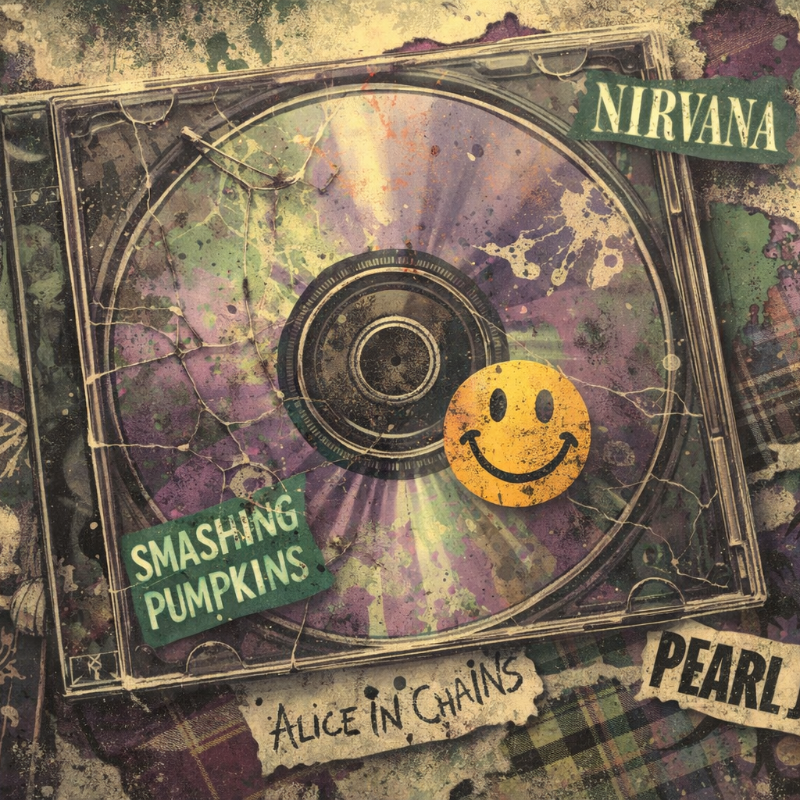
Nirvana smashed through in 1991 and suddenly the underground was mainstream. Grunge made flannel cool, angst authentic, and Seattle the center of the universe. But hip-hop was having its golden age too — Tupac, Biggie, Wu-Tang, Nas — lyrics as literature, beats as revolution. Pop didn't die; it just got glossier with Britney, Backstreet, and TRL countdowns. R&B reached new sophistication with Lauryn Hill, TLC, and D'Angelo. Electronic music pulsed through raves and eventually radio. The decade was fractured in the best way: there was no monoculture, just a hundred scenes colliding, each convinced they were the real thing. They were all right.
10 stations
2000s
The future arrived and it fit in your pocket. The iPod changed how music was owned; Napster and then iTunes changed how it was bought. Pop reached peak polish — Beyoncé's emergence, Usher's confessions, Eminem's fury. Indie rock carved out space for The Strokes, Arcade Fire, and a thousand blog-hyped bands. Emo made feelings loud again. Kanye West proved a producer could be the star. Auto-Tune went from tool to aesthetic to meme. The last decade where you might still buy a CD, the first decade where you might never need to. Music became infinite, portable, and deeply personal. Your playlist was your identity.
10 stations
2010s
10 stations